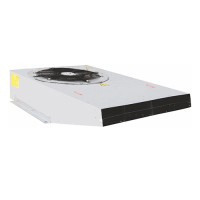
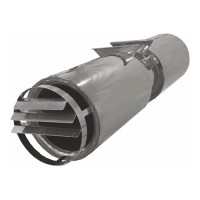
Modern jet fan systems play a critical role in delivering efficient and reliable ventilation in large enclosed spaces. Unlike conventional ducted ventilation systems, jet fans eliminate the need for extensive ductwork, making them an ideal solution for industrial and commercial ventilation projects.
Widely used in road tunnels, underground parking garages, logistics centers, manufacturing facilities, and industrial plants, jet fan systems create controlled airflow that transports contaminated air toward exhaust points. This improves indoor air quality while reducing energy consumption and overall operating costs.
With advances in ventilation engineering, today's industrial jet fans are designed to deliver high thrust performance, energy-efficient operation, and long service life. Choosing the right jet fan system is essential for maximizing ventilation efficiency, ensuring regulatory compliance, and optimizing long-term operational performance.
A jet fan generates a high-velocity airflow that transfers momentum to the surrounding air, creating a controlled air movement throughout the enclosed space. The thrust produced by the fan directs smoke, heat, carbon monoxide (CO), and other airborne contaminants toward designated exhaust shafts or ventilation outlets.
Because airflow is managed without traditional ductwork, jet ventilation systems provide an efficient solution for large open spaces while minimizing installation complexity.
Modern jet ventilation systems can also be integrated with Building Management Systems (BMS), gas detection sensors, and fire alarm systems. Depending on air quality conditions or emergency scenarios, the fans automatically adjust their operating speed to maintain safe ventilation levels.
Many industrial jet fans are equipped with variable frequency drives (VFDs), allowing the motor speed to match actual ventilation demand. This reduces unnecessary energy consumption, extends equipment lifespan, and lowers maintenance costs.
Jet fan systems are available in various sizes and performance capacities, making them suitable for a wide range of industrial and commercial applications.
One of the most common applications for parking garage jet fans is maintaining air quality in enclosed parking structures.
Vehicle emissions, particularly carbon monoxide (CO), must be continuously removed to ensure occupant safety. Jet fans direct polluted air toward exhaust points while promoting fresh air circulation throughout the facility.
Since ductwork is not required, parking structures benefit from greater ceiling clearance, simplified installation, reduced construction costs, and improved architectural flexibility.
During fire emergencies, jet fans also support smoke management systems by directing smoke away from evacuation routes, improving visibility and facilitating emergency response.
Tunnel jet fans are widely used to maintain air quality and manage smoke extraction in highway and railway tunnels.
In high-traffic tunnels, vehicle exhaust gases accumulate rapidly and must be efficiently removed to comply with ventilation and safety standards. Jet fans create longitudinal airflow that transports contaminated air toward exhaust portals or ventilation shafts.
In fire situations, these systems help control smoke movement, providing safer evacuation conditions while assisting firefighters during emergency operations.
Industrial facilities often generate heat, airborne particles, process gases, and other contaminants that require effective ventilation.
Industrial jet fan systems are commonly installed in manufacturing plants, power generation facilities, heavy industry, warehouses, and production lines to improve workplace safety and environmental conditions.
Designed for demanding operating environments, many industrial jet fans feature high-temperature-resistant motors, corrosion-resistant materials, and heavy-duty construction for reliable long-term performance.
Large warehouses and logistics facilities require consistent air circulation to maintain employee comfort and protect stored products.
Jet fan systems eliminate stagnant air zones, improve airflow distribution, and help regulate temperature and humidity across expansive spaces. Their duct-free design also provides greater flexibility for warehouse layouts while minimizing installation and maintenance requirements.
For modern logistics operations, jet ventilation offers an energy-efficient solution that supports healthier working environments and improved operational efficiency.
Every ventilation project has unique performance requirements, making proper jet fan selection essential for achieving optimal airflow, energy efficiency, and long-term system reliability. When selecting a jet fan system, engineers should evaluate several critical factors.
No single jet fan configuration is suitable for every project. Selecting the appropriate ventilation solution requires careful consideration of several factors, including building function, architectural design, required air exchange rates, smoke control strategies, and applicable international standards.
During the design phase, engineers use Computational Fluid Dynamics (CFD) simulations and airflow modeling to determine the optimal number, capacity, and placement of jet fans. These engineering analyses maximize ventilation performance while preventing unnecessary equipment installation and reducing project costs.
A professionally engineered jet ventilation system delivers reliable performance, minimizes lifecycle costs, and ensures long-term operational efficiency.
ERF Group designs and manufactures high-performance jet fan systems for a wide range of industrial and commercial ventilation applications. Our product portfolio includes solutions for road tunnels, underground parking facilities, manufacturing plants, warehouses, logistics centers, and other large enclosed environments.
Supported by project-specific engineering services, accurate airflow calculations, and manufacturing processes that comply with international quality standards, ERF delivers reliable ventilation solutions tailored to each project's unique requirements.
Our jet fans combine energy-efficient motors, robust construction, long service life, and dependable performance, helping businesses improve indoor air quality while reducing operating costs.
Whether you are designing a new ventilation system or upgrading an existing installation, ERF's engineering team is ready to help you identify the most efficient jet fan solution for your project.
A jet fan is a ductless ventilation device that generates high-velocity airflow to move air throughout enclosed spaces, improving ventilation and directing contaminated air toward exhaust points.
Jet fan systems are commonly installed in road tunnels, underground parking garages, industrial facilities, warehouses, logistics centers, airports, and other large enclosed buildings.
A jet fan produces thrust that creates controlled airflow within an enclosed area. This airflow moves smoke, heat, carbon monoxide, and other airborne contaminants toward designated exhaust outlets.
Important selection criteria include thrust, airflow capacity, operating temperature, motor efficiency, noise level, installation requirements, energy efficiency, and the specific ventilation needs of the project.
Jet fans effectively remove carbon monoxide and vehicle exhaust gases without requiring extensive ductwork. They also preserve ceiling height, reduce installation costs, and enhance smoke control during fire emergencies.
Yes. Modern jet fans equipped with Variable Frequency Drives (VFDs) and intelligent control systems operate only when ventilation is required, significantly reducing energy consumption and operating costs.
Proper fan positioning, airflow direction, maintenance access, structural support, vibration control, and compliance with the project's ventilation design should all be carefully evaluated.
Yes. Jet fan systems can be engineered and manufactured to meet project-specific airflow requirements, installation constraints, environmental conditions, and applicable industry standards.